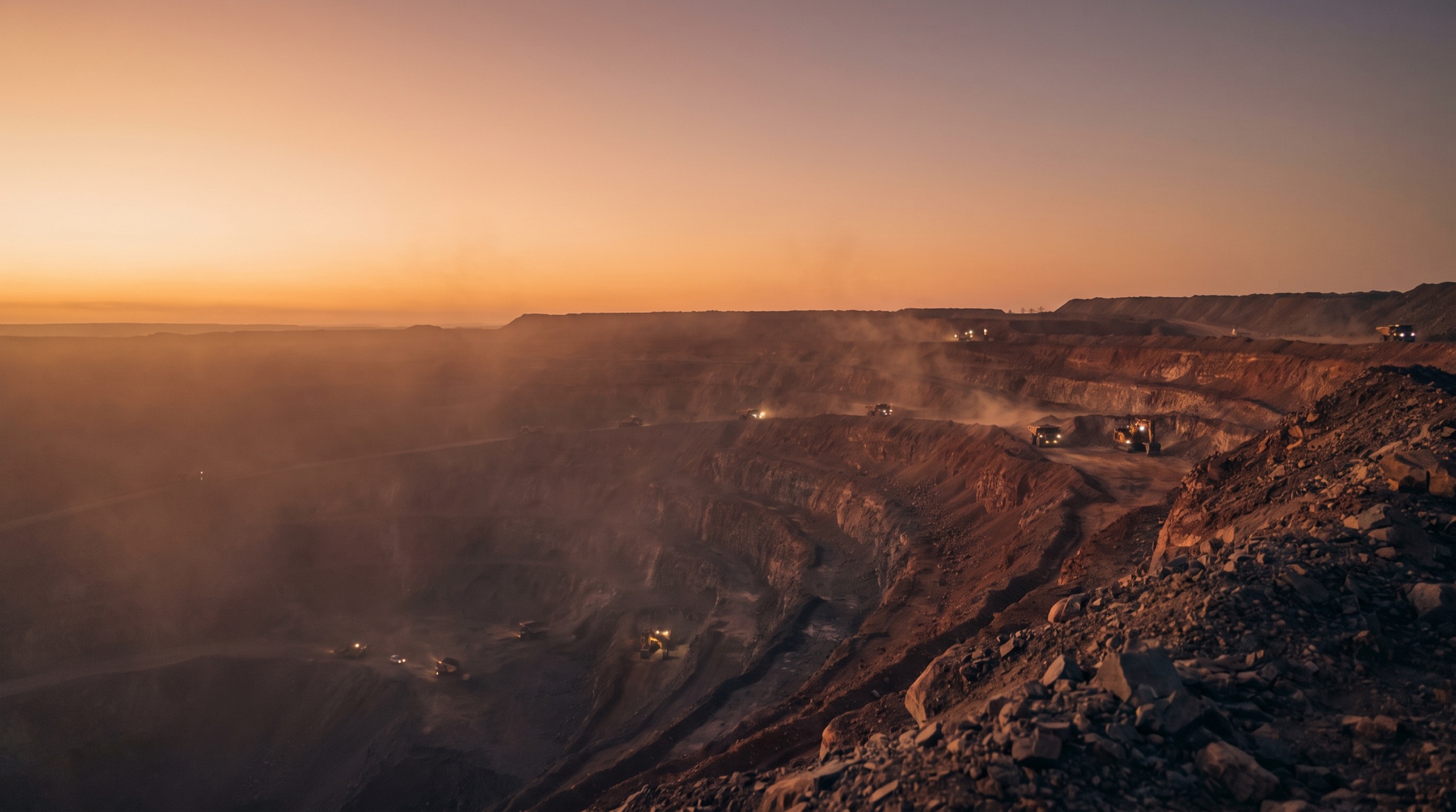
A painting of the three angels in flight together, carrying a cluster of raw uncut ore above an African mine at first light

Critical minerals · Africa

3 Angels Minerals

Africa's minerals should build Africa first.

We buy lithium, cobalt, copper and other critical minerals from African producers and supply them to the United States and allied markets. What makes us different is the side of the table we start from: what the seller is paid, and whether the chain behind them can be traced.

Too many African nations sell their wonderful minerals to the world, and yet their own countries remain underdeveloped in the modern age.

The continent holds a decisive share of the minerals the modern economy runs on. Lithium for storage. Cobalt for cells. Rare earths for the magnets inside every motor and turbine. Tantalum for the circuit board in every device you own.

Most of it leaves as raw ore. It is refined somewhere else, priced somewhere else, and comes back as finished goods at many times the value it left with. The ground gives up its wealth and the country above it stays poor.

That gap opens at the very first transaction — the price an African producer is offered for what they have dug, and whether anyone asks where it came from or how it was worked. Those are the buyer's decisions. Nobody else in the chain gets to make them.

We are the buyer.

We do not dig.
We decide what digging is worth

3 Angels Minerals buys critical minerals from African producers and supplies them to the United States and allied markets. We are a trading company. We hold no licences and we operate no mines.

That is a deliberate position, not a smaller one. Every buyer in this market arrives at an African seller with one instruction: get the price down. It works, and it is exactly why the continent that supplies the world's minerals has so little to show for it. The squeeze happens at the first handshake, long before anything reaches a refinery.

We buy on terms a seller can build something on — paid properly, paid on time, and recorded so the material can be traced back to where it came from. Buyers in allied markets increasingly need exactly that proof. 3 Angels Minerals exists because those two interests point the same way, and almost nobody is standing where they meet.

The Three Angels

Three commitments we hold above the ore. Every purchase we make is measured against them.

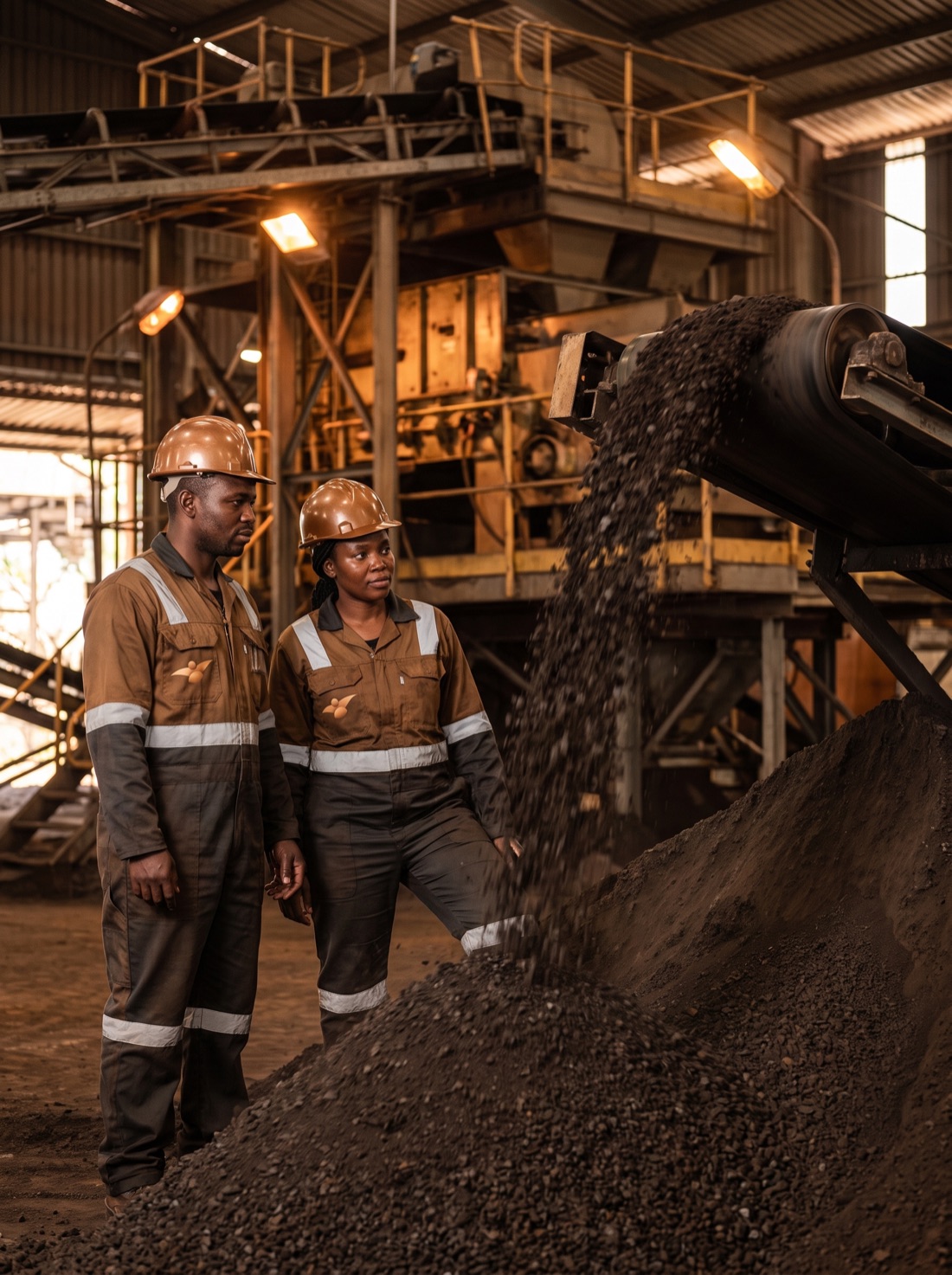
Workers overseeing mineral concentrate at an African processing plant

The First Angel

Prosperity

A price worth the work. We pay African sellers at a level that leaves something behind after the material moves — and we pay on agreed terms, on time, in full. Late payment and squeezed margins are how this industry has always quietly taken its cut. We take ours elsewhere.

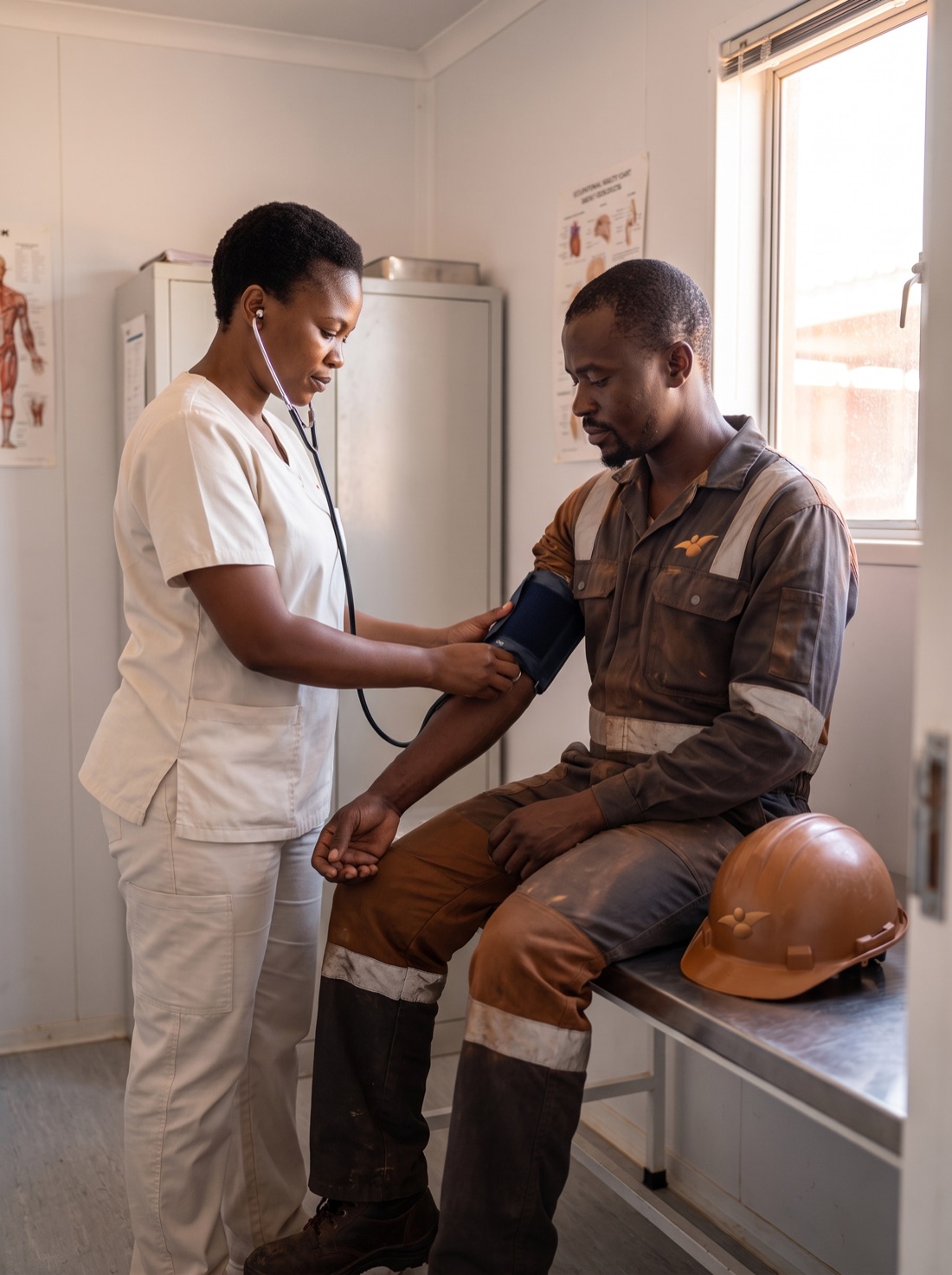
A nurse checking a mine worker at a site health clinic

The Second Angel

Health

People before tonnage. Mining has too often left communities in worse health than it found them. How a seller treats the people who do the digging — safety underground, water, air, and no child anywhere near it — is part of what we assess before we buy, and a reason we walk away.

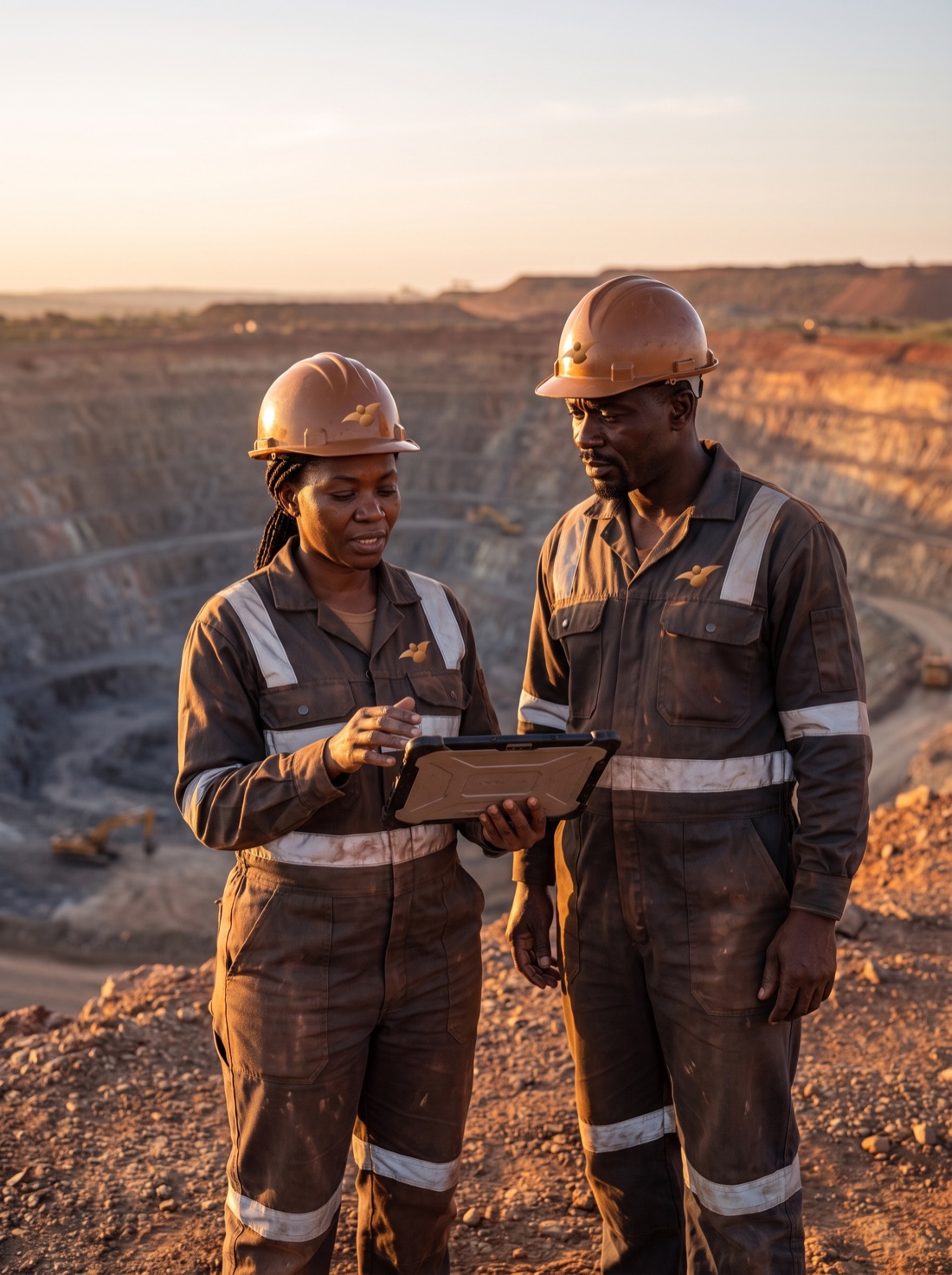
Two senior African mine staff reviewing plans on the pit rim

The Third Angel

Sovereignty

African sellers are counterparties, not supply. Contracts are written to be read in public and in plain language, royalties and duties are paid where the material was found, and nothing we sign asks a producer to hand over control of their own ground.

Capabilities

Sourcing

Finding and qualifying African sellers — licensed mines, co-operatives and established aggregators — and building the relationships that turn a first parcel into steady supply.

Due Diligence

Knowing who we are buying from before money moves: licence and ownership checks, site visits, and the labour and safety questions allied buyers are now required to ask.

Assay & Verification

Independent sampling and grade verification on every parcel, so what is on the certificate is what is in the container — protection for the buyer and for the seller alike.

Logistics & Export

Moving material from site to port to buyer — inland haulage, storage, customs, duties and documentation, across borders that punish anyone improvising.

Fair Terms

Prices benchmarked against published market references, contracts written in plain language, and payment on the day it was promised.

Offtake & Trade

Long-term supply agreements into United States and allied markets for buyers who need sourcing that is secure and traceable.

The people we buy from

We do not operate mines. Every tonne we handle was won by someone else, somewhere upstream of us — and what they were paid for it is the whole argument of this company.

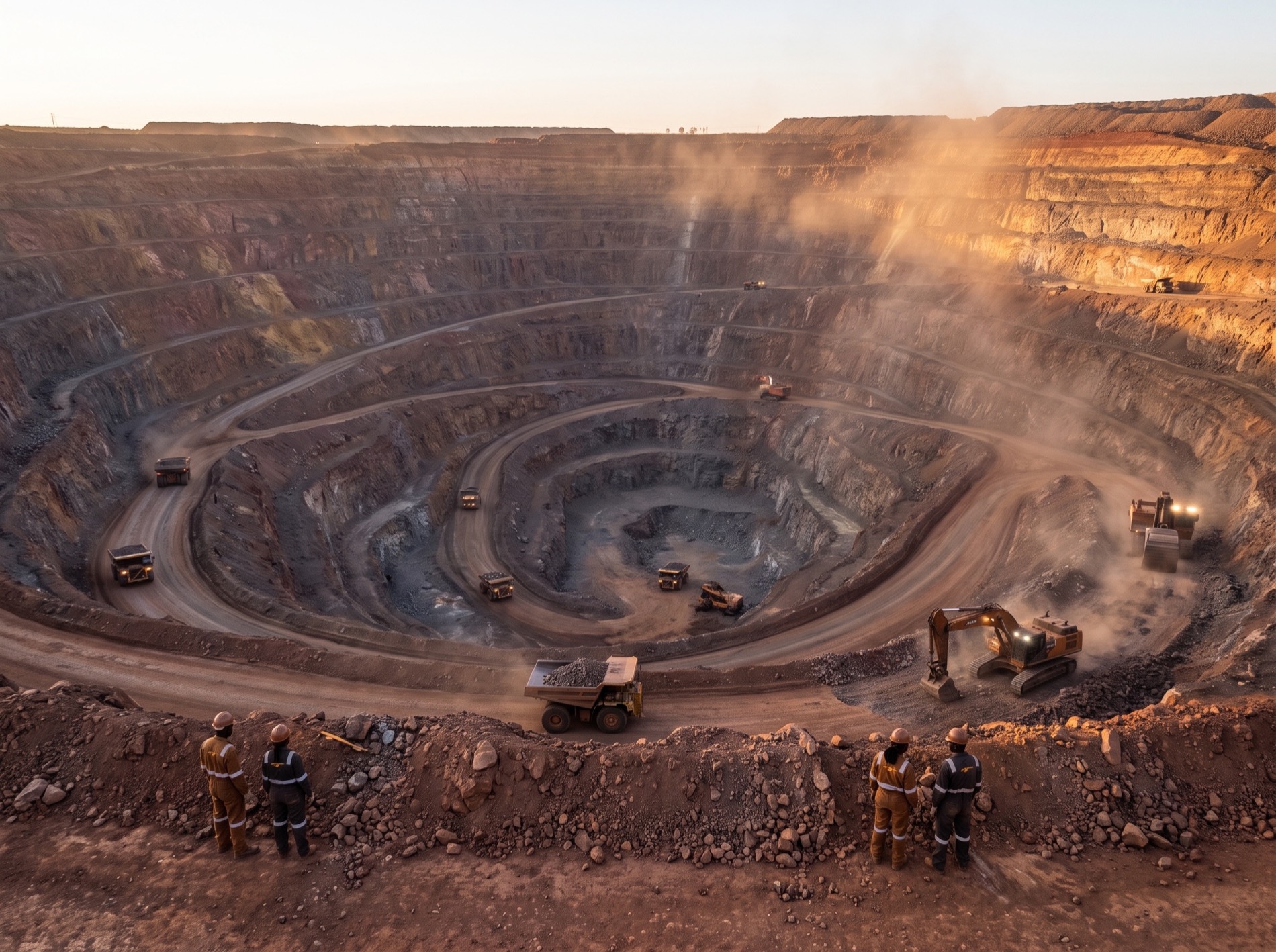
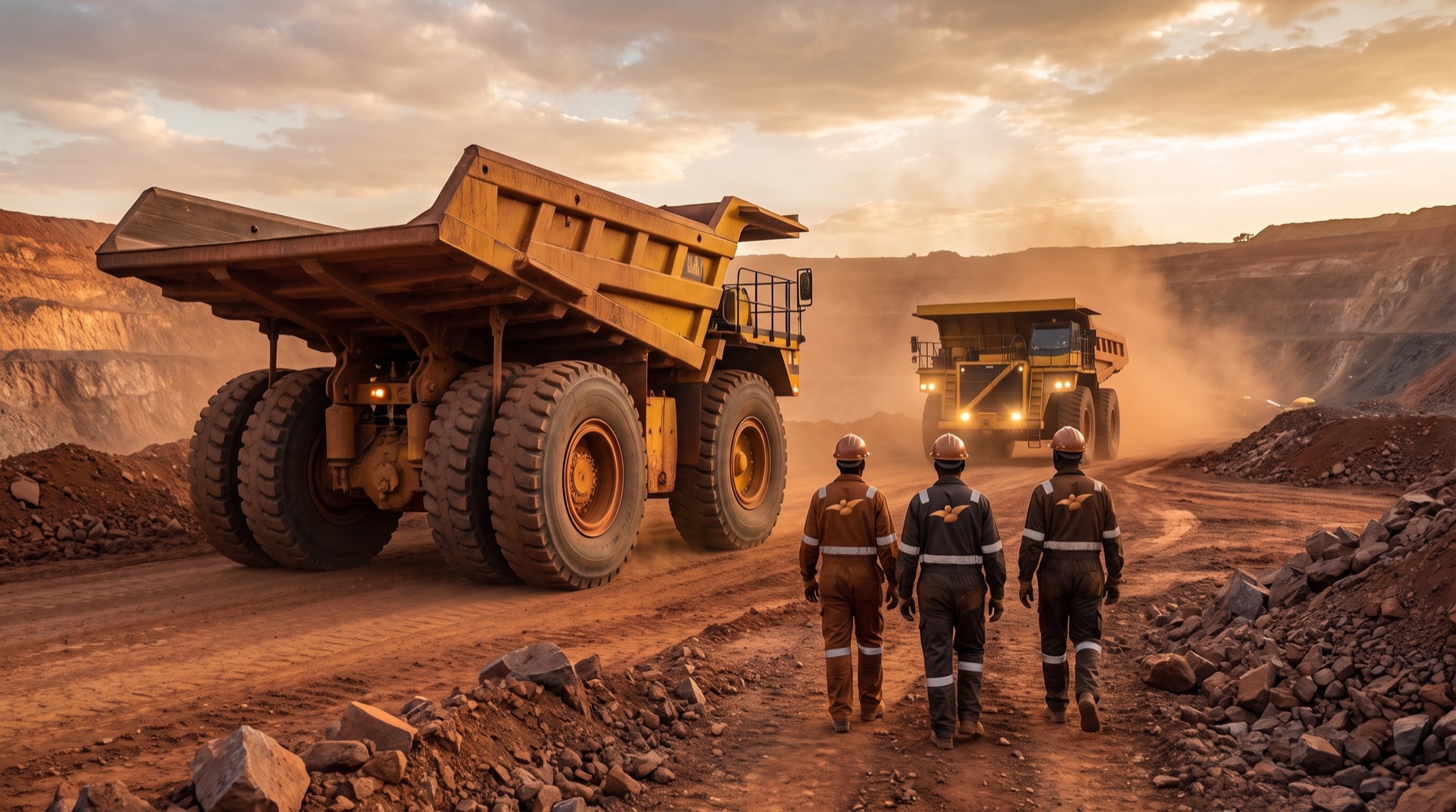
Haul trucks working an open pit at golden hour, crew walking toward them
The scale our suppliers work at, and the people who move it.
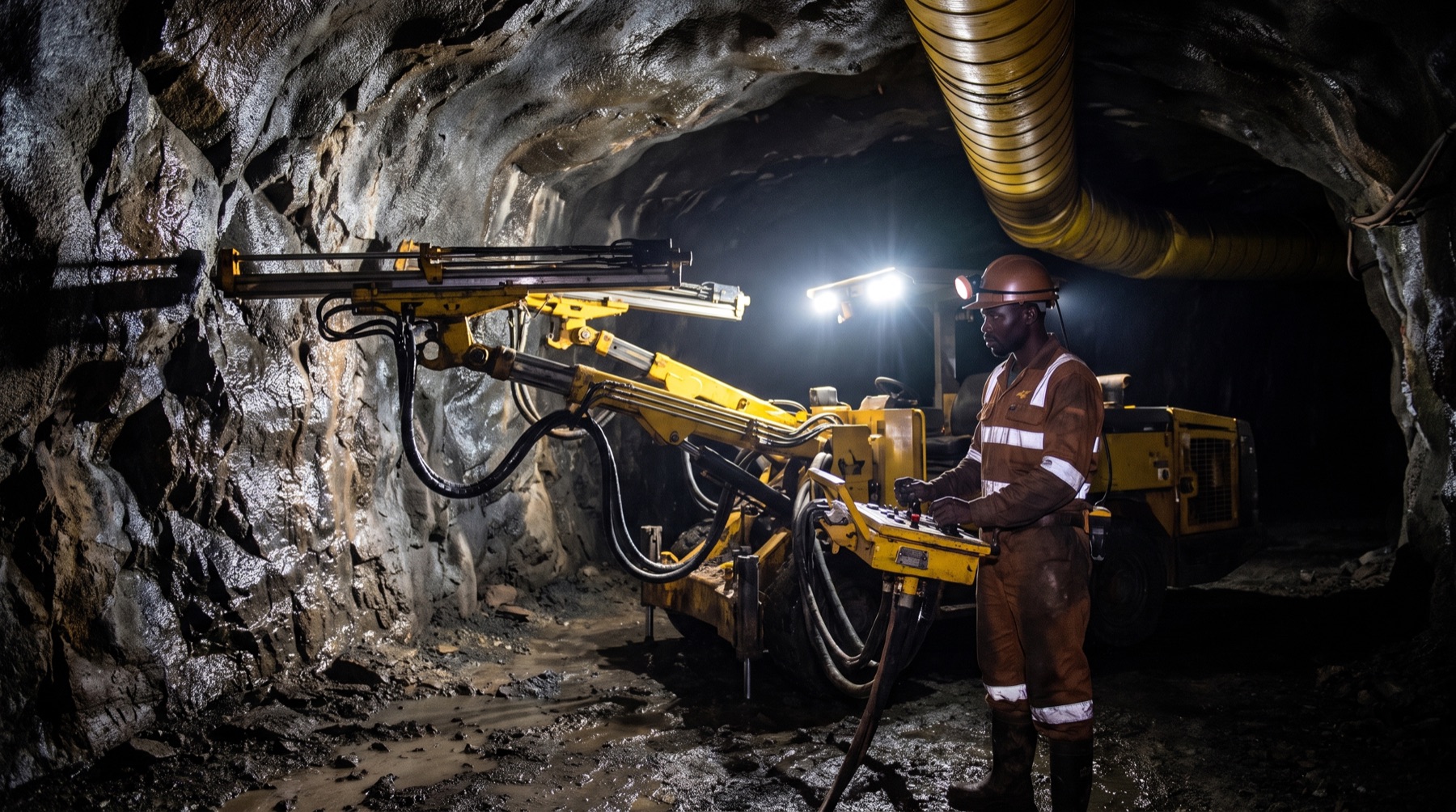
Twin-boom jumbo drill rig at the face in an underground development drive
Development and face drilling, at a producer's operation.
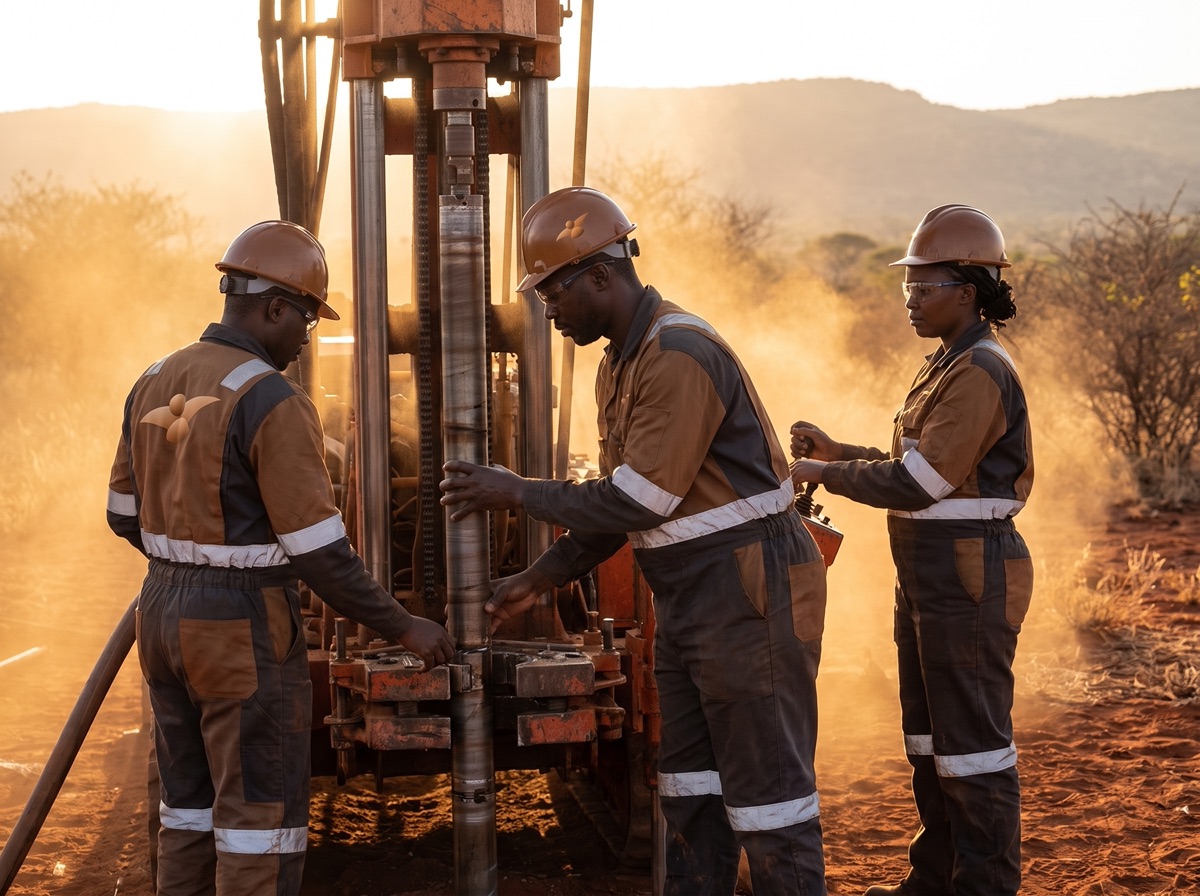
Diamond core drilling rig operating at dawn
Drilling on a licensed seller's ground — not ours.
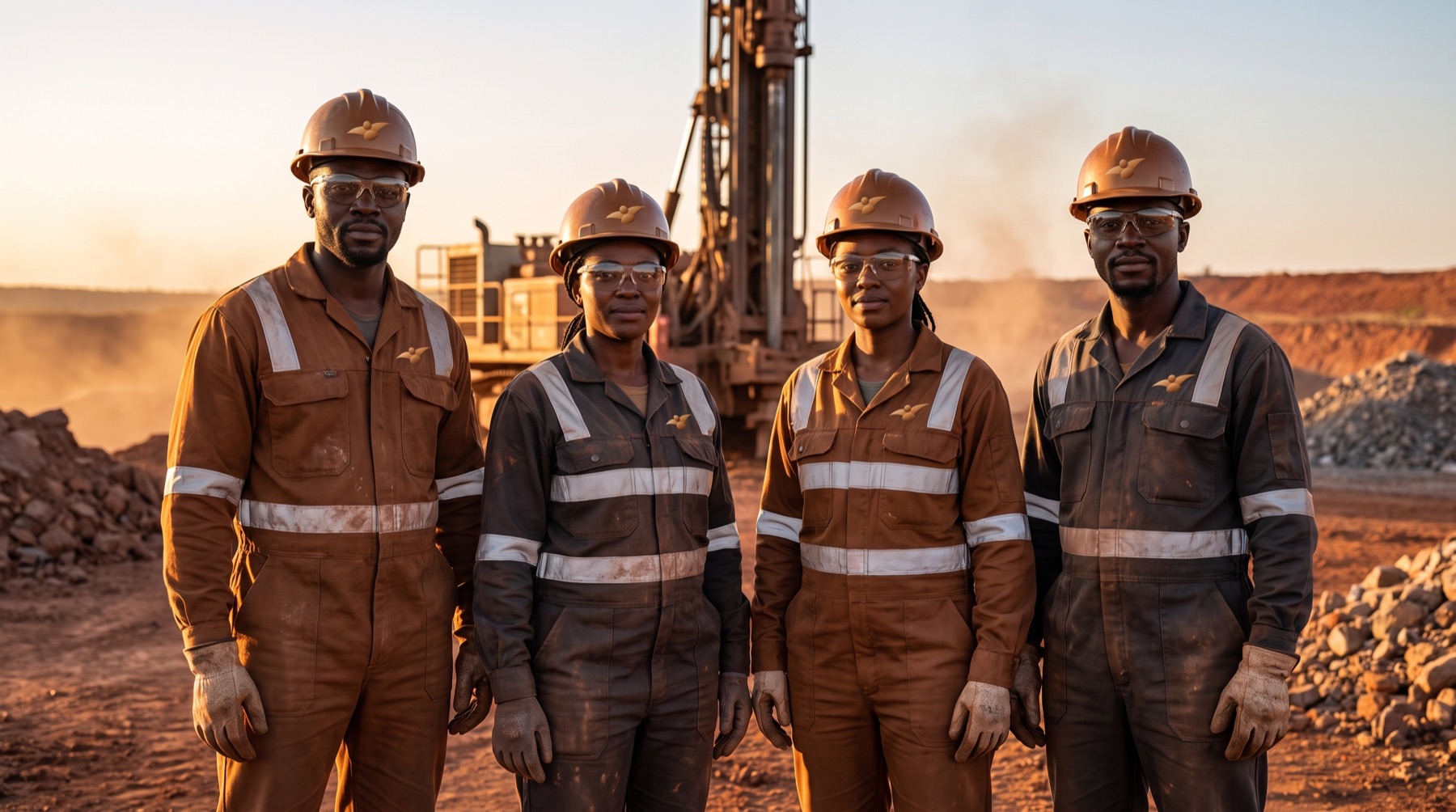
A mine crew in workwear at an African mining operation
Proper kit, proper training. Where we see it, we buy. Where we don't, we ask why before we do.
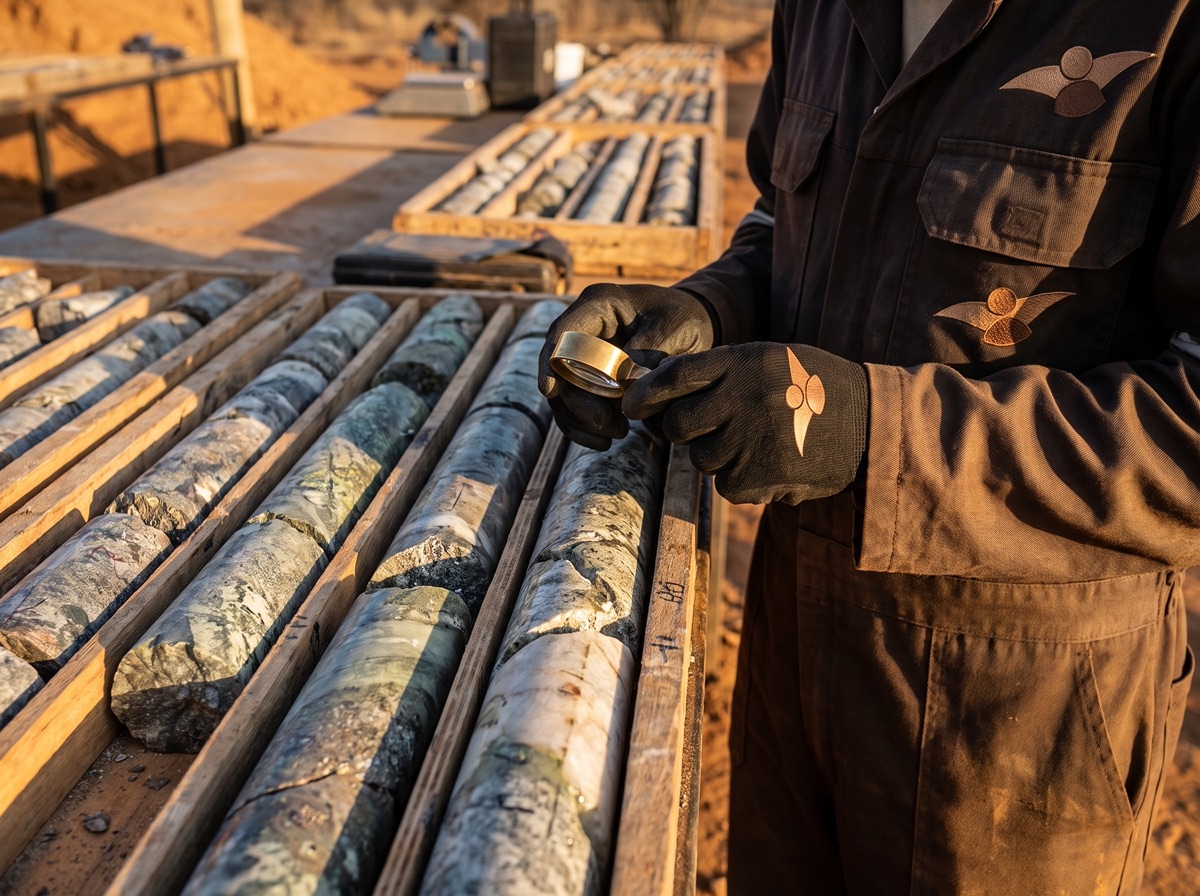
Drill core trays being logged by a geologist
Grade is verified independently before we take a parcel.
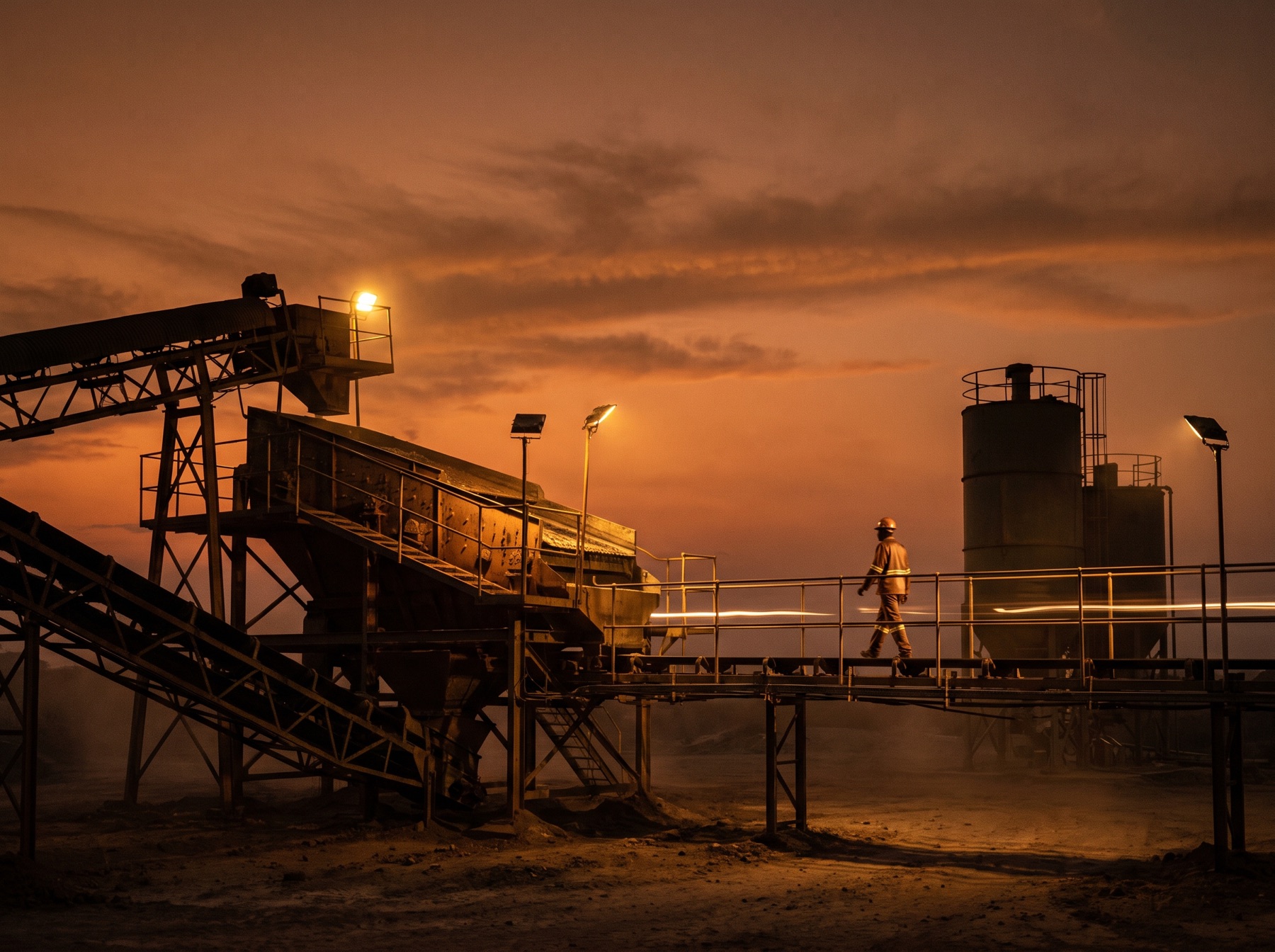
A mineral processing plant in Africa at dusk
Concentration close to the source, where a producer can do it.
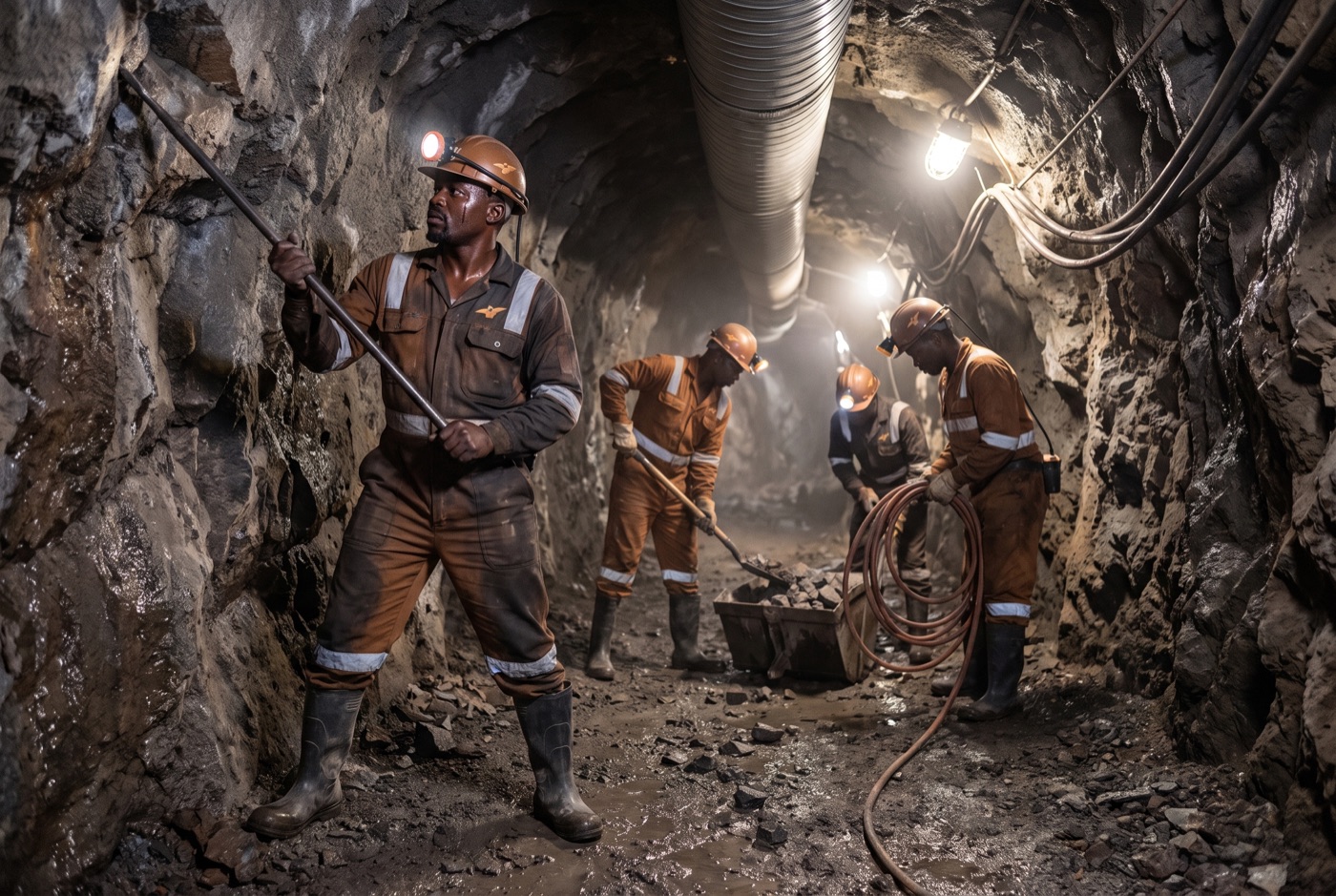
Four workers barring down and clearing rock in an underground development drive
Four to a heading, barring down before the next cut.
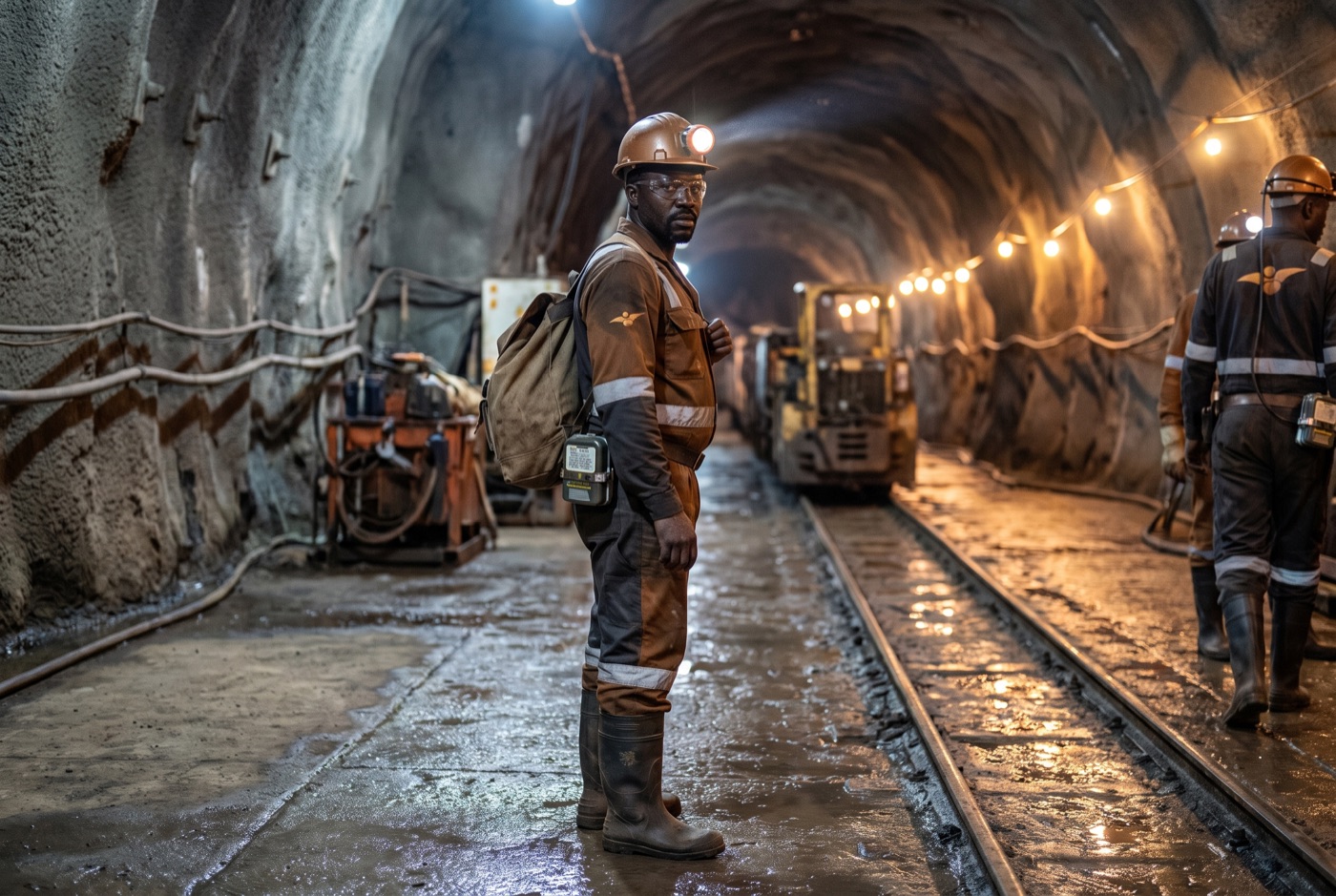
A mine worker at an underground shaft station, kit bag on one shoulder
Shift change. This is who the price at the source reaches.

These photographs illustrate the mining work that stands behind the material 3 Angels Minerals trades. They are not operations of the company — 3 Angels Minerals holds no mining licence and extracts no ore — and they do not depict any specific supplier.

The minerals that matter

Six materials the energy transition and modern defence cannot be built without, all of them abundant in African ground.

Li

Lithium

Battery cathodes and grid-scale storage. Africa's pegmatite belts host some of the largest undeveloped hard-rock lithium deposits on earth.

Co

Cobalt

High-density battery chemistry. The majority of world supply already originates in the Congo basin, yet almost none of it is refined there.

REE

Rare Earths

Permanent magnets for motors, wind turbines and defence systems. The global bottleneck is refining and magnet-making, not the ore itself.

Ta

Tantalum

Capacitors in effectively every consumer electronic device manufactured today, drawn heavily from Central African tin-tantalum pegmatites.

Cu

Copper

Electrification's base metal. The Central African Copperbelt remains one of the richest copper provinces anywhere in the world.

C

Graphite

Battery anodes. East African flake graphite is among the highest-grade natural graphite available at scale.

Focus regions

Three parts of the continent where the material we trade comes out of the ground, and where the route to an allied market is short enough to be worth running.

Mineral flow African source regions to United States ports

01

Central Africa

The Congo basin pegmatites and the Copperbelt. The densest concentration of lithium, cobalt, copper and tantalum on the continent — and the place where the gap between what a seller is paid and what the material is worth runs widest.

02

Southern Africa

Established mining jurisdictions with deep technical skill, functioning rail and port corridors, and producers whose paperwork stands up to the diligence an allied buyer will run on it.

03

East Africa

High-grade flake graphite and emerging rare earth ground, with Indian Ocean access that shortens the route to allied markets.

Regions indicate where 3 Angels Minerals sources material. Nothing on this page should be read as a claim to any licence, tenement or deposit, or as a statement that supply from any particular country is currently contracted.

The supply chain is
being redrawn

China's position in critical minerals was never mainly about mining. It is about refining and permanent magnet manufacturing — the midstream, where ore becomes a material an engineer can actually use. That is where the leverage sits, and that is where the contest is being fought.

Recent moves to tighten export controls produced a consequence Beijing did not intend: they accelerated the search for supply chains outside its reach. The United States and its allies are moving now, and they are looking for sources that are secure, traceable and durable.

Africa holds the ore, and has rarely held anything else in this chain. But the search for supply outside Beijing's reach has handed the continent something new: buyers who need to prove where their material came from, and who will pay for that proof. It is leverage, and it lands at the first transaction. 3 Angels Minerals exists to make sure it is spent there.

Assessment of China's midstream position draws on commentary by Gracelin Baskaran of the Center for Strategic and International Studies, via MINING.COM.

Partner with us

We work with producers and co-operatives with material to sell, exporters and logistics partners, governments and community leaders, and buyers in allied markets looking for supply they can stand behind.

Tell us where you sit and what you are trying to build. Someone will read it and reply.

Telephone
+1 (708) 744-0508